.png)





You've finally got the product right. Onboarding is smoother. Customers are referring others. Things are moving.
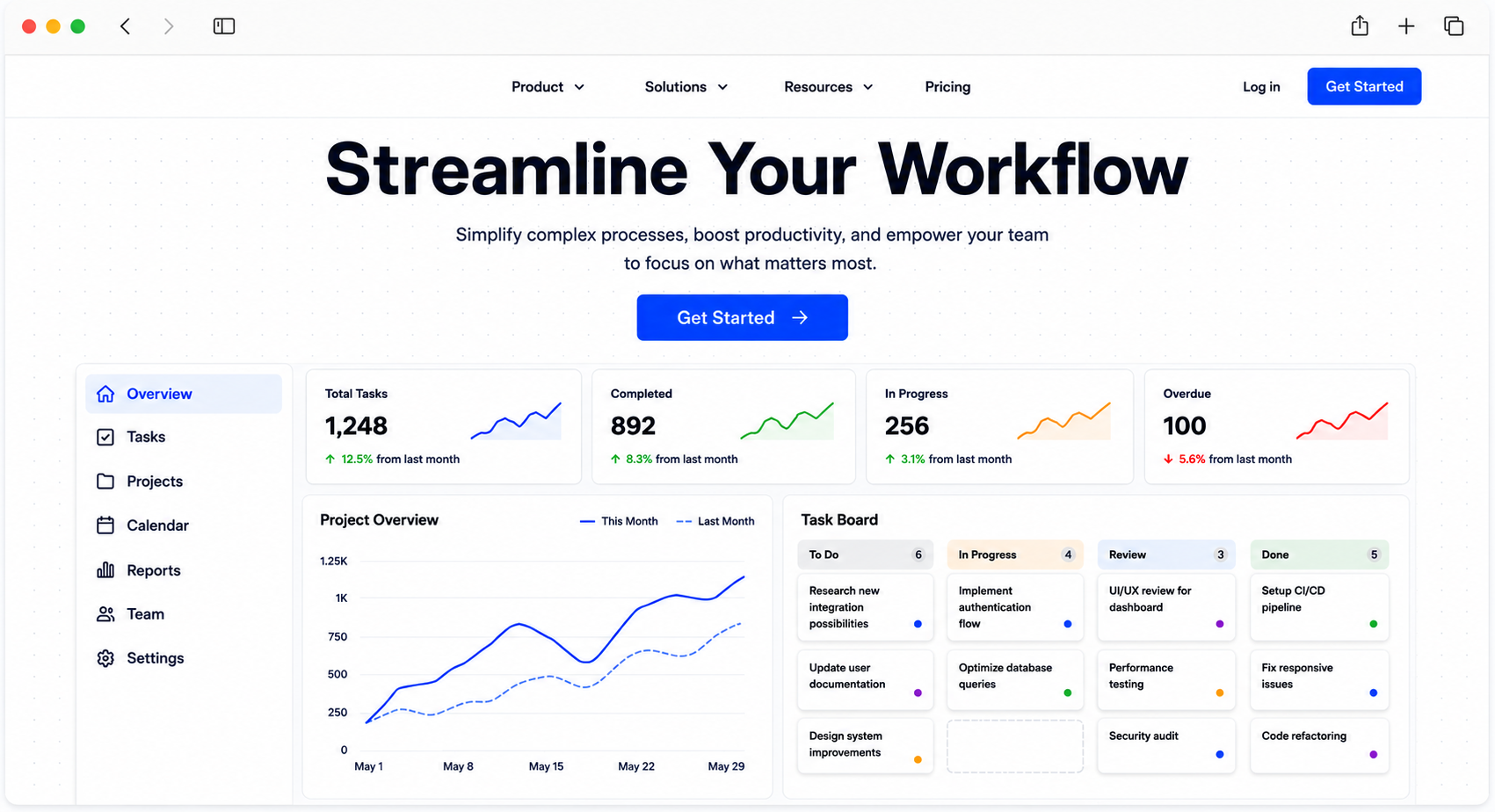
Then your own website finds its way back to you. The homepage headline still says "Streamline Your Workflow". The pricing page takes three reads to understand. The "Book a Demo" button is buried below everything.
Here's the thing. Most potential customers judge your product before a single conversation happens. Your website is live 24/7. If it isn't clear about what you do, who it's for, and why it matters, people leave. No questions asked. No demo booked.
Most SaaS founders already know this. The problem isn't awareness. It's figuring out what to do about it and who to trust with it.
That's where a Webflow development agency comes in.
What Does a Webflow Development Agency Actually Build?
The short answer: your marketing site. The pages that live before the paywall. Your homepage, pricing page, about page, case studies, feature pages, and landing pages for paid campaigns.
But the "development" part matters more than most founders realise.
A Webflow development agency is not just dropping a template and changing your logo. They are building the architecture of your site: how pages are structured in the CMS, how components are named and reused so your designers are not recreating the same button seventeen different ways, how the Webflow logic handles conditional visibility, and how the final code output is clean enough that a developer can look at it and not flinch.
Here is what a real Webflow build includes:
- CMS architecture. Webflow has a native CMS (content management system). A good agency sets it up so your blog posts, case studies, and landing pages are templated and scalable, not manually rebuilt for every new piece of content. This is a technical decision that affects how fast you can publish and how clean your site stays over time.
- Component systems. Every repeated element on your site, buttons, cards, nav items, and pricing tiers, gets built once as a reusable component. If your brand updates its button colour next quarter, a properly built component system means you change it in one place, not across forty pages.
- Interaction and animation design. Webflow has native interactions that cover scroll-based animations, hover states, and page transitions without importing external JavaScript libraries. A strong Webflow developer uses these intentionally, not just to add motion but to guide attention toward the right action.
- Responsive build. The site has to work across every device: desktop, tablet, and mobile. Webflow's responsive engine is visual but requires real attention. A sloppy build looks broken at tablet width. A proper build handles every breakpoint deliberately.
- Performance and clean code output. Webflow compiles to clean HTML, CSS, and JavaScript. It does not generate WordPress-style plugin bloat. A well-built Webflow site loads fast, passes Core Web Vitals, and does not require a developer to maintain the underlying code.
- Handoff and training. After launch, your marketing team needs to be able to publish pages, update copy, and add new landing pages without coming back to the agency. A professional build is organised, labelled, and documented. Your team should be able to open the Webflow editor and know immediately what to touch and what not to touch.
Why Do SaaS Teams Choose Webflow Over WordPress or Custom Code?
This is the question founders ask most often, especially those coming from WordPress or from engineering-built sites that require a developer for every update.
The real argument for Webflow is not any single feature. It is experimental velocity.
SaaS companies that run more experiments on their website, new headlines, new landing pages for different ICP segments, and new pricing structures convert better over time.
Webflow lets your marketing team update pages, test ideas, and go live without touching a developer. That means more demos, faster. When a launch is coming, you do not wait on a dev ticket. You just build it and publish it yourself.
Your developers stay focused on the product. The website stops being their problem.
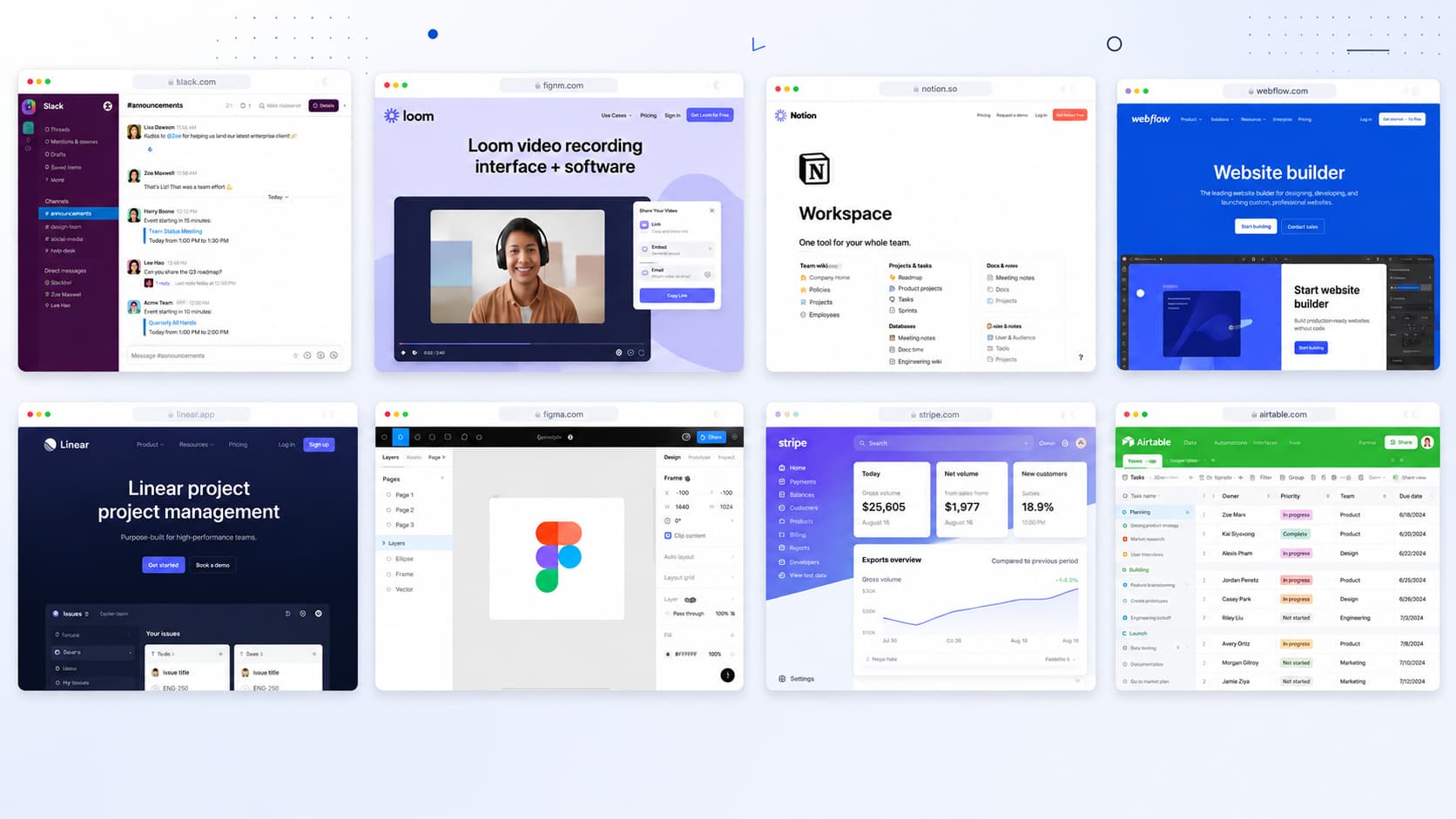
Companies like Linear, Vercel, and Notion, all with marketing sites that convert at industry-leading rates, run on Webflow. The platform handles their content updates, landing page launches, and redesigns without pulling engineers away from the product.
Why Hire an Agency Instead of Building In-House?
Some SaaS teams build in-house. It works when you have a senior Webflow developer, a designer who understands SaaS conversion patterns, and a strategist who can translate product features into language that lands for a cold visitor. That is a three-hire process before a single page goes live.
For most teams in the $50K to $500K MRR range, that is not realistic in the current hiring environment.
An agency brings all of that capacity together from day one. They have built dozens of SaaS marketing sites. They have already made the expensive mistakes on someone else's budget, not yours. And they can start shipping real work within weeks.
The deeper argument is one most founders do not say out loud: you know your product, but you do not know your website. You know what the product does. You know your customers. But the ability to translate that into a message that lands for a director-level buyer who has found you through a Google search and has 11 seconds of attention before deciding to read on; now that is a different skill. A Webflow development agency that works exclusively with SaaS companies has sharpened that skill across many clients and many conversion tests.
How to Pick the Right Webflow Development Agency
One thing worth understanding before you start evaluating agencies: Webflow development is not the same as Webflow design. Anyone can drag elements around in Webflow's visual editor. What separates a real Webflow developer from someone who learned the tool last month is how they build under the hood. Are components using Webflow's native symbol system so changes cascade correctly? Is the CMS structured around your actual content model, or just cobbled together to get the demo live? Are class names clean and consistent, or is the project a maze of "combo class on top of combo class" that no one can maintain six months later?
Are interactions built with Webflow's native IX2 engine, or did they just embed a bunch of third-party JavaScript that slows your load time? These are the technical decisions that determine whether your site stays fast, stays maintainable, and stays in your team's hands after the agency is gone.
A visually polished Webflow site built on a messy foundation will cost you more to fix than it would have cost to build it right the first time.
Here are the five questions that separate the real ones from the decorative ones.
1. Do they have a SaaS-specific portfolio?
A portfolio full of restaurant websites and lifestyle brands tells you nothing about whether the agency understands SaaS buyer psychology, pricing page structure, or how to write a CTA for a 14-day free trial versus a demo request. Ask for three to five SaaS-specific examples. Ask what happened to conversion metrics after launch.
2. Do they lead with technical architecture or just visual design?
Agencies that lead with design are selling you aesthetics. Agencies that start by asking how your CMS needs to be structured, what your marketing team will need to update post-launch, and how your Webflow project will be organised for long-term scalability are selling you infrastructure. You want the second type. The site needs to look good, but it also needs to work well for three years after the agency is gone.
3. Do they ask about your ICP before touching a single design tool?
If an agency starts designing before understanding who your ideal customer is, what they are comparing you against, and why they have hesitated to buy so far, they are building for aesthetics rather than conversion. The first few conversations with a serious agency should feel more like a strategy session than a project kickoff.
4. Can they talk about conversion in concrete terms?
An agency that speaks only about how the site looks is missing half the job. Ask directly: "Have you tracked conversion changes after launches you have done?" They may not always have hard numbers, but they should at least be asking those questions, monitoring heatmaps, tracking demo request volume, and watching scroll depth on pricing pages. If the answer is a blank stare, keep looking.
5. What does the post-launch handoff look like?
Ask to see a past project inside the Webflow editor. Is it organised? Are components named clearly? Does the CMS structure make sense to someone who was not part of the build? A great agency builds for your independence. A weak one builds in ways only they can navigate, which turns you into a permanent retainer client whether you intended that or not.
What Minute Creative Does Differently
For Series A SaaS and AI companies, the challenge is rarely building a website. It's creating a website that clearly communicates why your product matters, differentiates you from competitors, and supports your go-to-market strategy.
At Minute Creative, we help founders and growth teams solve that problem by combining positioning, messaging, design, and Webflow development into a single process. Through our Clarity Sprint™, we identify what buyers need to understand, shape a narrative around it, and build a website that turns attention into a qualified pipeline.
The result is more than a redesign. You leave with a clear market position, a conversion-focused website, and a repeatable GTM foundation your team can scale long after launch.
.jpg)
.png)