




Most growing businesses hit the same wall. You need a social media graphic for Monday, a pitch deck by Wednesday, and new ad creatives before the weekend. Your one freelancer is already stretched. You either wait, pay rush fees, or publish something that looks like it was thrown together in a hurry.
None of those options are great when your brand is what a potential customer sees before they ever talk to you. And the cost is real: inconsistent creative slows down campaigns, weakens ad performance, and makes your brand look smaller than it is. Over time it compounds. Your paid ads underperform because the creative is stale. Your sales deck looks out of date. Your social presence feels disconnected from your website. None of it is catastrophic on its own, but together it quietly erodes how buyers perceive you.
A graphic design subscription service is built to fix exactly that.
What Is a Graphic Design Subscription?
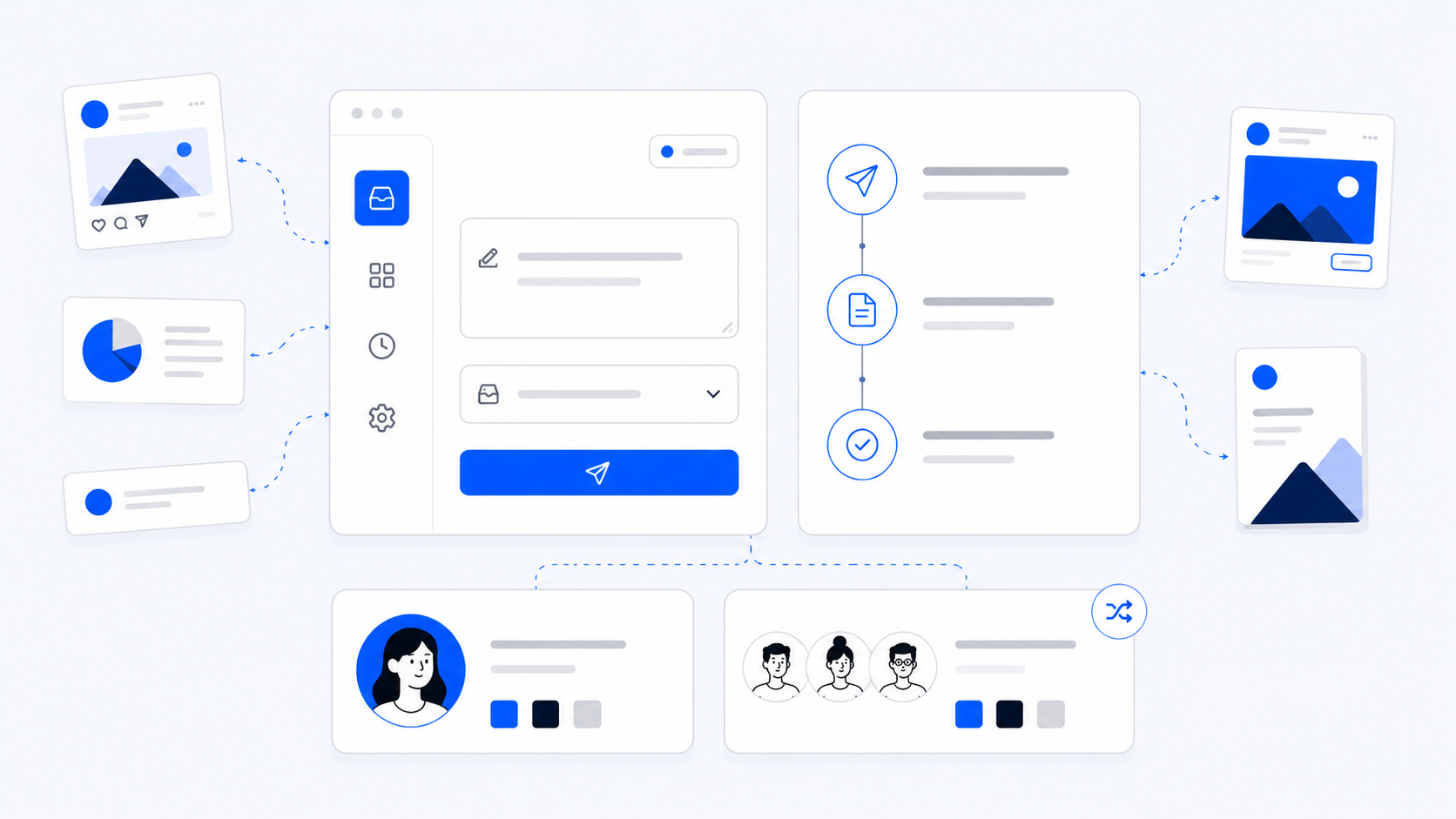
It is a model where you pay a flat monthly fee and get access to a team of designers who work through your requests on an ongoing basis. You submit requests through a dashboard, they deliver drafts within 24 to 48 hours, you request revisions, and the cycle continues until you are happy.
No project-by-project invoices. No scrambling to find someone available. No waiting three days for a freelancer to confirm they have capacity. Just a predictable monthly cost and design output that keeps moving alongside your marketing.
The appeal for fast-moving teams is not just the cost. It is the removal of friction. When design is a bottleneck, campaigns get delayed, content calendars slip, and your team ends up making do with whatever they can pull together quickly. A subscription removes that bottleneck and turns design into something your team can rely on the same way they rely on any other tool in their stack.
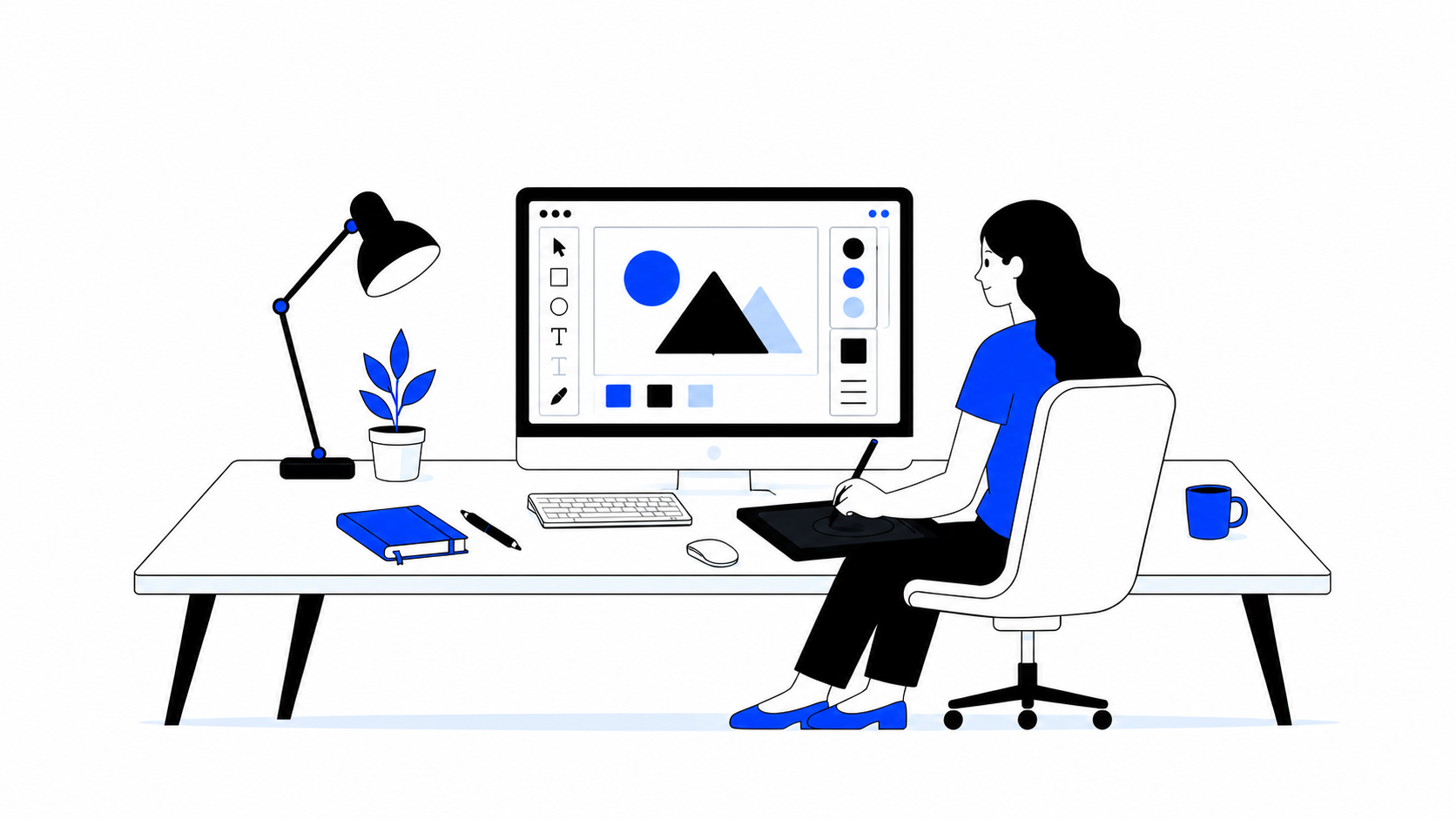
Who Should Use a Graphic Design Subscription?
This model works best for:
- SaaS or B2B companies running ongoing paid ads who need regular creative variations to test and refresh
- Marketing teams producing social content, blog graphics, and sales decks every week without a dedicated in-house designer
- Agencies that want to offer design as part of their service without the overhead of hiring full-time designers
- Founders who have outgrown one freelancer but are not yet at the stage where hiring in-house makes financial sense
If you need three designs a year, a freelancer is cheaper and simpler. But if design is a weekly need, the subscription model starts making a lot of sense very quickly. The maths shifts once you are spending more time managing freelancers than you are spending on the work itself.
Signs You Need a Design Subscription
These are the clearest signals that your current design setup is holding you back:
- You are regularly paying rush fees to freelancers because requests come in faster than they can be scheduled
- Your team publishes graphics that do not look consistent with each other because different people made them at different times
- Campaigns get delayed because design is the bottleneck and everything is waiting on one person
- You are managing multiple freelancers and spending significant time briefing each one separately from scratch
- Your ad creative library is thin and you are running the same visuals for too long because refreshing them takes too much effort
- Your marketing team spends time on Canva producing work that does not match the quality your brand actually needs
Any one of these is worth addressing. Several together is a sign your design setup has not kept up with where the business is.
Freelancer vs Agency vs Design Subscription
The right choice usually comes down to volume and consistency. If your design needs are occasional and well-defined, a freelancer gives you flexibility without commitment. If you are running a large brand campaign or a full rebrand, an agency gives you the horsepower and project management to handle it. If you need design to keep pace with marketing week in and week out, a subscription gives you the reliability and speed that neither of the other two options can match at that price point.
What Do You Actually Get?
You get a dashboard where you submit design requests. A designer picks up the request and delivers a first draft, typically within one to two business days. You review, request changes, and the cycle continues until you are happy. Most services offer unlimited revisions as part of the subscription, which means you are not rationing feedback to avoid extra charges.
The specific output varies by provider, but most cover the things growing marketing teams need most often: social media graphics, paid ad creatives, presentation decks, email headers, blog featured images, ebook layouts, and brand asset updates. Some services also cover motion graphics, short video edits, web design, and custom illustrations, though these are usually reserved for higher-tier plans.
This is worth paying close attention to before you sign up. Many services advertise unlimited design at a base price but exclude the categories you might actually need most. Motion graphics, Webflow design, and presentation design are common exclusions at the entry level. Reading the scope page carefully, not just the homepage, saves a lot of frustration later.
One other thing worth checking before you commit is whether you get a dedicated designer or a shared pool. A dedicated designer learns your brand over time. They know your colours, your tone, your preferred style, and what you have already rejected. That accumulated knowledge shows up in faster first drafts and less time spent on corrections. A shared pool means whoever is available picks up your request each time, which creates inconsistency and means you are essentially re-briefing your brand with every new request. If you have strict brand guidelines or a distinctive visual identity, a dedicated designer is worth paying extra for.
What to Look For Before You Subscribe?
What is actually included in the plan you are considering? Not the plan advertised on the homepage, but the specific tier you are looking at. Check whether the output types you need most are included or whether they sit behind a higher plan.
What the real turnaround time is under normal load. Most services advertise 24 to 48 hours, but that can stretch under heavy demand or with complex requests. Ask what happens during busy periods and whether turnaround is guaranteed.
Whether you get a dedicated designer or a shared pool. This has a bigger impact on output quality and consistency than most people expect. If brand consistency matters to you, prioritise services that offer dedicated designers even if it costs a bit more.
Whether there is a trial period or money-back guarantee. A good service will let you test quality on a real project before you commit to a full month. If there is no trial option at all, that is worth noting.
How the revision process works. Most services offer unlimited revisions, but the practical reality varies. Some work iteratively and are responsive throughout the process. Others treat each revision round as a separate queue, and turnaround slows down after the first draft. Understanding this upfront saves a lot of frustration.
Beyond those five, look at output quality directly. Most subscription services have portfolios or case studies you can review. Look for work that is similar in type and complexity to what you actually need. A portfolio full of brand identity work tells you very little about whether they can turn around strong ad creatives quickly. Find examples that match your actual use case.
Common Mistakes When Choosing a Service
Choosing based on price alone. The cheapest plan often means a shared designer pool, slower turnarounds, and designers who have no context on your brand. You end up spending more time on revisions and corrections than you saved on the monthly cost. The value of a design subscription is speed and consistency. A plan that compromises on both to hit a lower price point defeats the purpose.
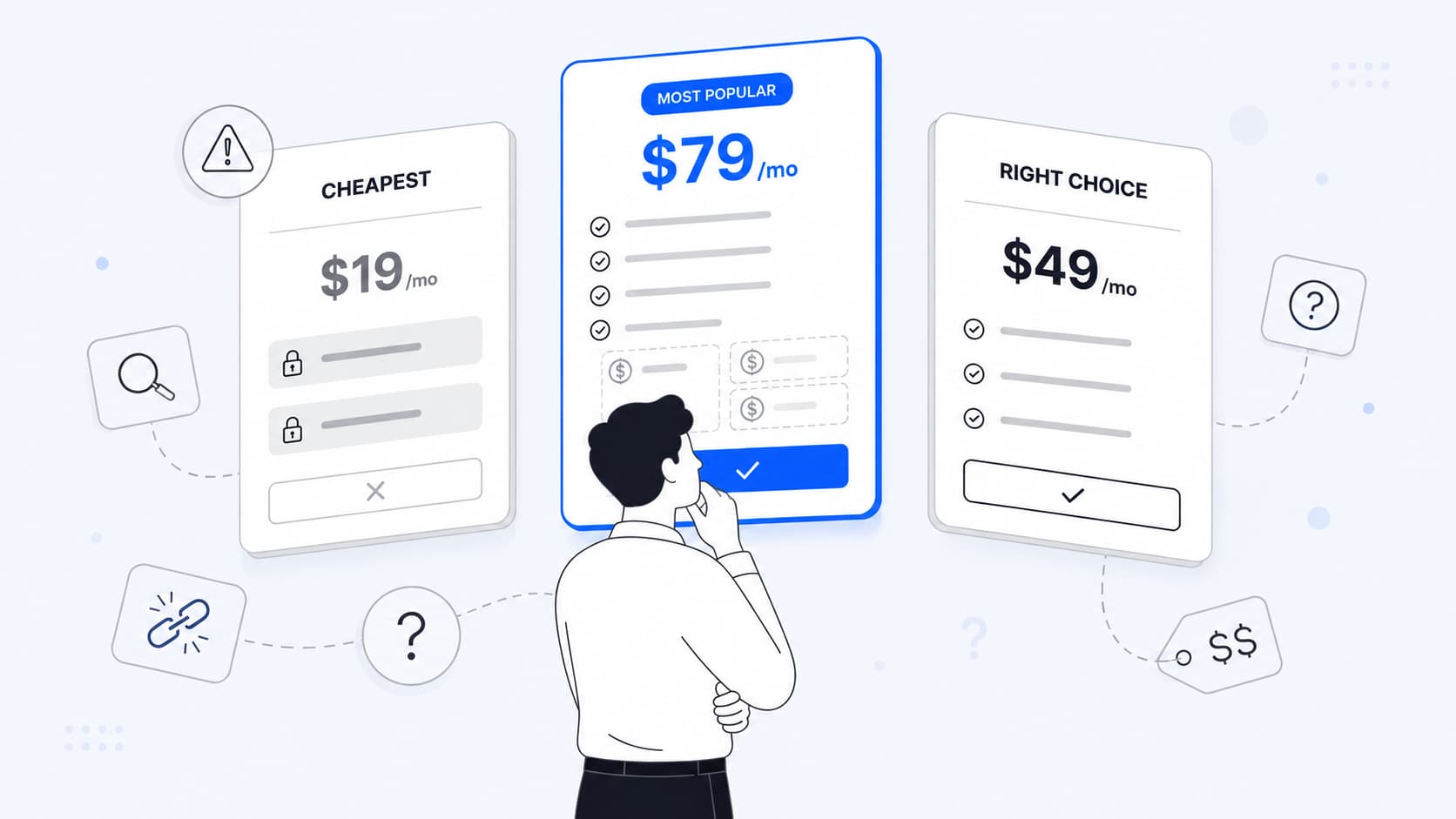
Not checking what is excluded. Many base plans exclude motion graphics, Webflow design, or presentation design. If those are things you need regularly, check whether they are included before you sign up rather than after your first request gets declined or bumped to an upsell conversation.
Skipping the trial. Most good services offer a trial period or a money-back window. Use it with a real project, not a test brief you made up. One actual deliverable tells you more about turnaround time, communication quality, and design standards than any sales page will.
Assuming unlimited means instant. Most services work on one or two active requests at a time. 'Unlimited' refers to the number of revisions and the total volume over the month, not simultaneous delivery. If you have ten things due this week, understanding how the queue works matters a lot.
Not briefing well enough. A design subscription is only as good as the briefs you put into it. Vague requests produce vague outputs. The more specific you are about dimensions, copy, reference examples, tone, and brand guidelines, the faster and closer the first draft will be. Most services have a request template for a reason. Use it properly.
Ready to Get Your Design Output Under Control?
A lot of companies come to us after trying a design subscription that looked good on paper but delivered inconsistent work, slow turnarounds, or generic templates that did not feel like the brand at all. Creative work is not just a production task. It shapes how buyers feel about your product before they ever read a word or speak to anyone on your team.
At Minute Creative, we work with growing SaaS and B2B companies that need creative output that actually reflects where their brand is going, not just a queue of graphics. If you are figuring out what your design setup should look like at your current stage, or if your current setup is not keeping up with where the business is heading, we are happy to help you think it through.
.jpg)