




Your product works. Your website looks like it was built by three different people in three different years, because it kind of was. The pitch deck uses one set of colours, the app uses another, and an enterprise prospect who checks all three before signing starts wondering if the product is as unfinished as the design.
Let's walk through what a SaaS design agency actually does, how it is different from hiring a freelance designer for a one-off project, and how to tell if this is what your company actually needs right now.
What does a SaaS design agency actually do?
A SaaS design agency builds a design system: a single set of rules for color, typography, components, and voice that every part of your company pulls from, instead of everyone inventing their own version. Once that system exists, your website, product UI, sales deck, and even a random one-off landing page all look like they came from the same company, because they did.
The work usually covers four areas:
- Brand identity. The logo, colour palette, typography, and overall visual voice that everything else gets built on top of.
- Design system components. Reusable buttons, forms, cards, and layout patterns that engineers and marketers can both pull from without rebuilding them every time.
- Website design. Applying the system to a site that is actually built to convert, not just to look consistent.
- Ongoing design support. Since new pages, features, and campaigns keep needing design work long after the initial project ends.
How is a design agency different from a freelance designer?
A freelancer typically delivers a set of files for one specific project, like a new homepage or a pitch deck. A design agency delivers a system that keeps producing consistent work long after that first project ships.
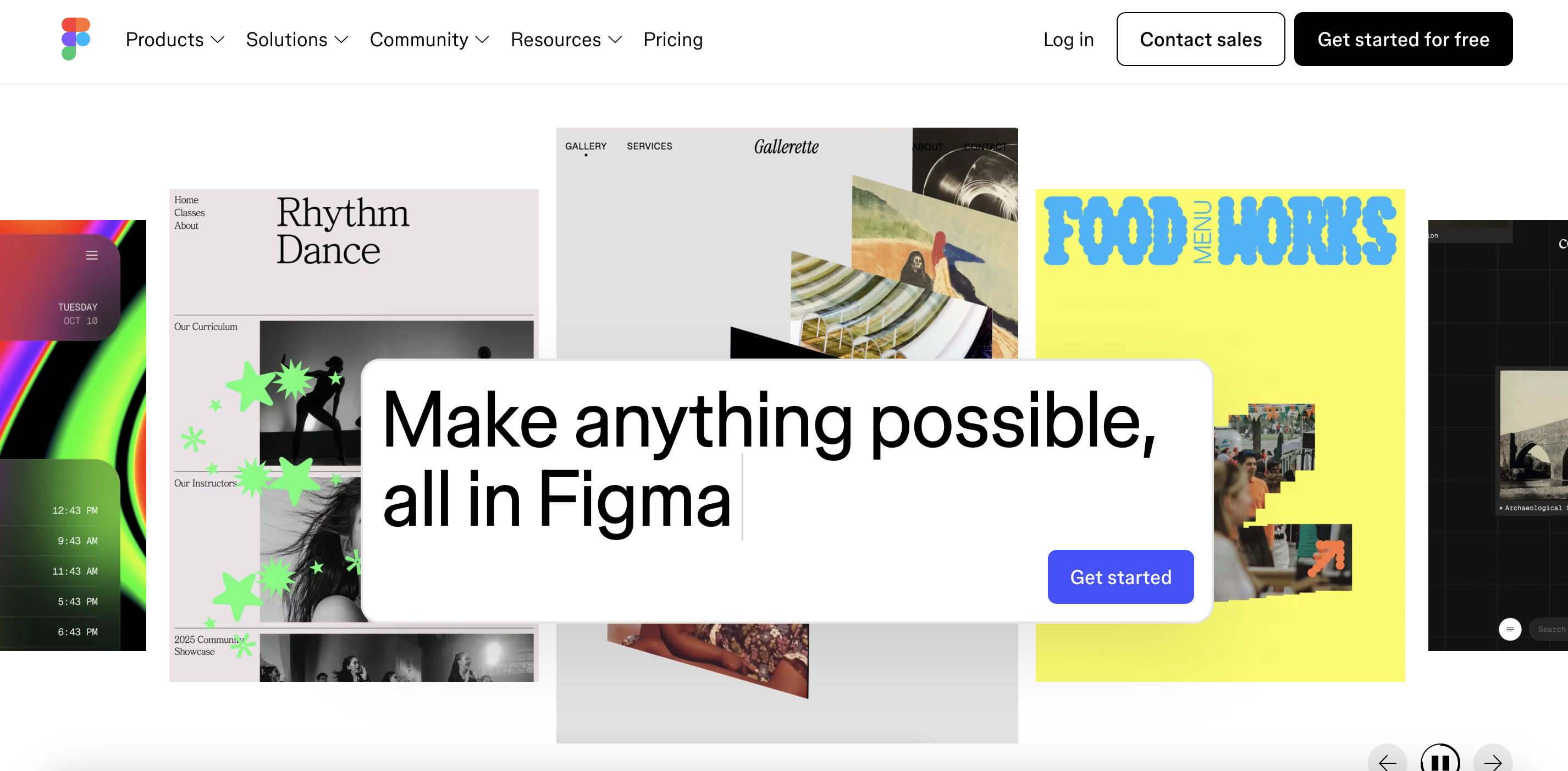
Figma shows what a mature design system looks like in practice. Its component library lets anyone on the team reuse the same buttons, spacing, and patterns instead of rebuilding them from scratch each time. A design agency is essentially building your company's version of that library.
Why do growing SaaS companies need this instead of doing it themselves?
Most early SaaS companies do not have a design problem; they have a founder or a single generalist hire making design decisions on top of everything else they are already doing. That works fine pre-seed. It stops working once the company is fundraising a Series A and enterprise buyers are comparing your site and product against far more polished competitors before ever getting on a call.
Design consistency is not just aesthetic. Gartner's research on B2B buying behaviour has repeatedly found that buyers do extensive self-guided research before engaging a vendor, which means your website and product are often doing the selling before a human ever joins the conversation. If every surface looks slightly different, that inconsistency quietly reads as risk to a buyer deciding whether to trust you with their budget.
What should you look for when picking a SaaS design agency?
- They start with a system, not a page. If the first deliverable is just a homepage with no underlying component library, the consistency problem will resurface within a few months.
- They show you the system, not just the output. Ask to see an actual component library or style guide from past work, not only finished screenshots.
- They understand SaaS specifically. Design for a physical product and design for a SaaS interface solve different problems, and the second requires understanding how the product actually works.
- They plan for your team to extend it. A system your team cannot update without going back to the agency for every small change will slow you down instead of speeding you up.
- They offer an engagement model that fits your stage, whether that is a single system-building project or an ongoing subscription for a company that ships new pages and features every month.
This is where Minute Creative comes in
A SaaS design agency is not there to make one page look nicer. It is there to build the system that makes your entire company, from the website to the product to the pitch deck, feel like it came from the same place.
If your website, product, and deck all look like they came from different companies, let's fix that. Talk to Minute Creative about building a design system your team can actually run with.
.jpg)