





Here is a situation most SaaS founders have lived through at least once. The product is good. The team is working hard. Traffic is coming in. But signups are flat, demos are low quality, and every time someone rewrites the homepage, it still does not feel quite right. A new headline goes up. A new CTA gets tested. A new agency is briefed. Nothing moves.
The reason is almost never the copy. It is the positioning underneath it. And until that is fixed, no amount of messaging work will do what everyone is hoping it will do. This blog is about understanding the difference between the two, seeing what good looks like through real companies that have got it right, and recognising the signs that positioning might be the root cause of a problem your team has been calling a messaging problem.
Positioning and Messaging Are Not the Same Thing
These two words get used interchangeably all the time, and they are the source of most SaaS marketing confusion. So let us separate them clearly.
Positioning is the internal strategic decision about where your product sits in the market. It is not a tagline. It is not a homepage headline. It is the answer to a set of questions your team needs to be aligned on before any marketing is written: who is this product genuinely best for, what problem does it solve for them, what would those people do if this product did not exist, and what do you do better than those alternatives for this specific type of customer?
Messaging is how you communicate that positioning externally. It is the words on your homepage, in your ads, in your onboarding emails, and in your sales calls. Messaging is the output. Positioning is what makes the output meaningful.
Here is a simple way to see the difference:
What Positioning Looks Like When It Is Working
The clearest way to understand positioning is to look at companies that have done it well and trace the decision back from what you see on their website.
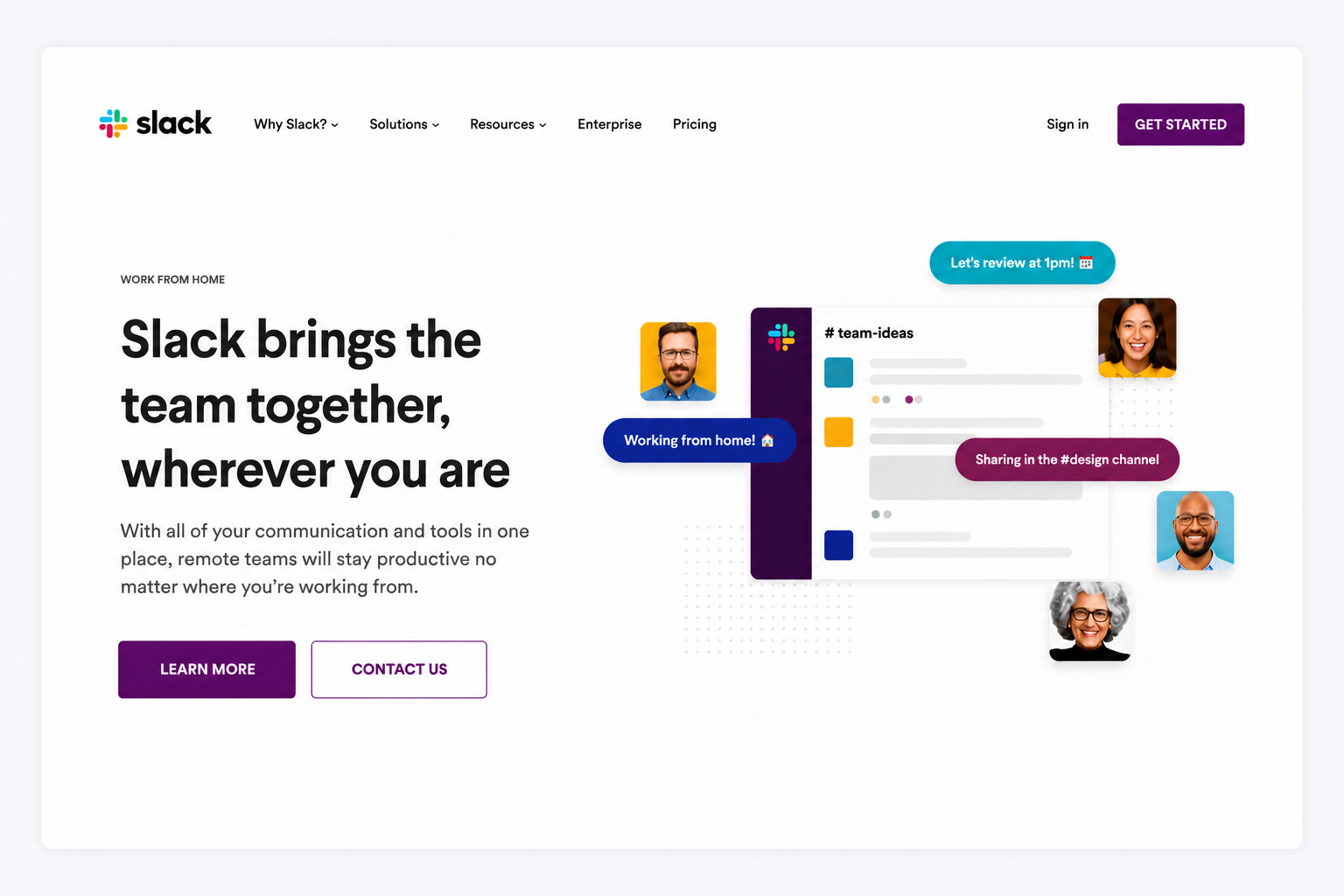
Slack is the most cited example, and it earns that status. When Slack launched, team communication tools already existed. There were chat apps, project management tools, and email. The reason Slack broke through was not because it invented something nobody had seen before. It was because of a very specific positioning decision: Slack was not another chat tool. It was a replacement for internal email. That framing spoke directly to a frustration that every office worker already felt. Slack did not invent the problem. It simply positioned itself as the obvious solution to one people already had a name for.
.jpg)
That decision shaped everything. The early messaging, the tone, the channels they targeted, the comparisons they invited. All of it flowed from one clear positioning choice.
Notion is another strong example, but for a different reason. When Notion launched, their real competition was not Evernote or Confluence. It was the mental model of a folder of Google Docs. Most teams were not using a dedicated wiki tool. They were using a mess of shared documents and hoping people could find things.
.jpg)
Notion's positioning addressed that specific alternative. Their messaging showed people that they could do everything they were already doing in Google Docs and have it all connected in one place. The reason that resonated was because Notion understood precisely what they were competing against, not just in terms of other software but also in terms of the actual behaviour they were asking people to change.
What Weak Positioning Looks Like in Practice
It is easier to spot weak positioning on a homepage than most founders expect, because the signs are always the same.
The headline is broad. Something like "The smarter way to manage your work" or "Built for modern teams". Both of these could belong to any of a hundred different SaaS products. They tell the visitor nothing specific about who the product is for or what it actually does.
The features section lists everything. There is no editorial decision about what matters most to the right customer. Every capability gets equal weight, which means nothing stands out.
The CTA is vague. "Get Started" or "Sign Up" tells the visitor nothing about what they are committing to or what happens next.
And the overall voice shifts across the page. The hero section sounds one way, the features section sounds another, and the testimonials section sounds like they were written by a third person entirely.
None of this is a writing problem. It is a positioning problem. The writers did not have clear answers to the positioning questions, so the copy defaulted to describing everything the product can do for anyone who might buy it. The result is a page that appeals to nobody specifically.
Why Founders Try to Fix Messaging First
The reason this pattern is so common is that messaging is visible and positioning is not. When a homepage is not converting, the evidence is right there on the screen. The words look off. The CTA feels weak. The natural instinct is to fix the thing you can see.
Positioning is invisible until you do the work. It lives in decisions, conversations, and documents rather than on the website itself. So it is easy to skip, especially when there is pressure to ship a new homepage or launch a campaign.
But fixing messaging without fixing positioning is like repainting a house with a cracked foundation. It looks better for a while. Then the cracks show through again.
What Good Messaging Looks Like When Positioning Is Clear
When the positioning is right, the messaging almost writes itself. Because now the writers are not starting from nothing. They are translating decisions that have already been made.
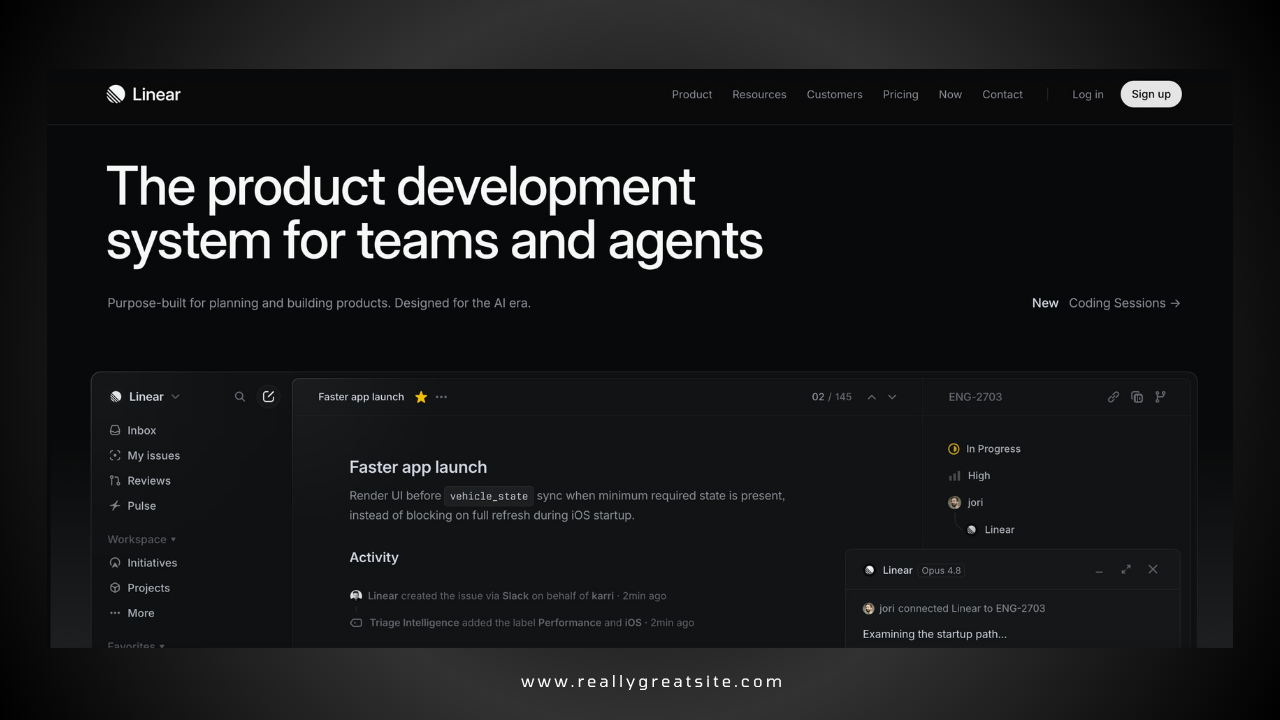
Linear is a good example of this. Linear is a project management tool, but its positioning is very specific: it is built for software and engineering teams who care intensely about speed and feel frustrated by tools that are slow, cluttered, or designed for project managers rather than the people doing the actual work. That positioning decision is what produces a homepage headline that speaks directly to a developer who has spent years suffering through Jira. Every word on their homepage earns its place because there is a clear positioning decision underneath it.
.jpg)
Figma is similar. Their positioning when they launched was built around one specific differentiator: real-time collaborative design in the browser. Not a long list of features. One thing that mattered deeply to design teams who were passing files back and forth and losing track of versions. That clarity in positioning is what produced messaging that converted design teams immediately, because those teams felt like Figma was built specifically for the problem they were actively living with.
The thing these two companies have in common is not a design style or a content strategy. It is that someone made a deliberate decision about who the product is for and what it does better than the alternatives for that specific person. Everything visible on their homepages is a downstream consequence of that decision.
The Relationship Between Positioning and Messaging on Your Homepage
The homepage is the most important place positioning and messaging come together because it is where a first-time visitor forms their entire impression of your company in under ten seconds.
When positioning is clear, the homepage has a headline that tells the right visitor immediately that this is for them. The social proof is specific and outcome-driven rather than a logo strip of companies nobody recognises. The CTA is precise enough that clicking it feels low-risk. And the voice is consistent from the top of the page to the bottom because every section is expressing the same underlying positioning.
When positioning is unclear, all of those things fall apart at once. And the team ends up in the cycle of rewriting copy that was never the real problem to begin with.
A strong homepage, when positioning is clear, looks like this:
- The headline names who it is for or what problem it solves
- The subheadline adds one layer of context without repeating the headline
- The hero CTA tells the visitor exactly what happens when they click
- Social proof shows outcomes, not just logos
- Features are prioritised by what matters most to the right customer, not listed equally
- The voice and tone stay consistent from top to bottom
- There is one clear next step, not five competing options
Positioning does not stay still. Markets move, products grow, and the customers who love you most are not always the ones you originally built for. Slack started as a tool for tech teams and had to consciously evolve its positioning to speak to non-technical businesses without losing the people who made it popular in the first place.
Framer is another good example of positioning becoming more specific over time. It moved beyond being seen as just a website builder by positioning itself around "Design with agents. Refine on the canvas. Ship with your team." That shift reframed Framer as an AI-powered design and publishing platform built for modern product teams, making its value immediately clearer to the audience it wants to attract.
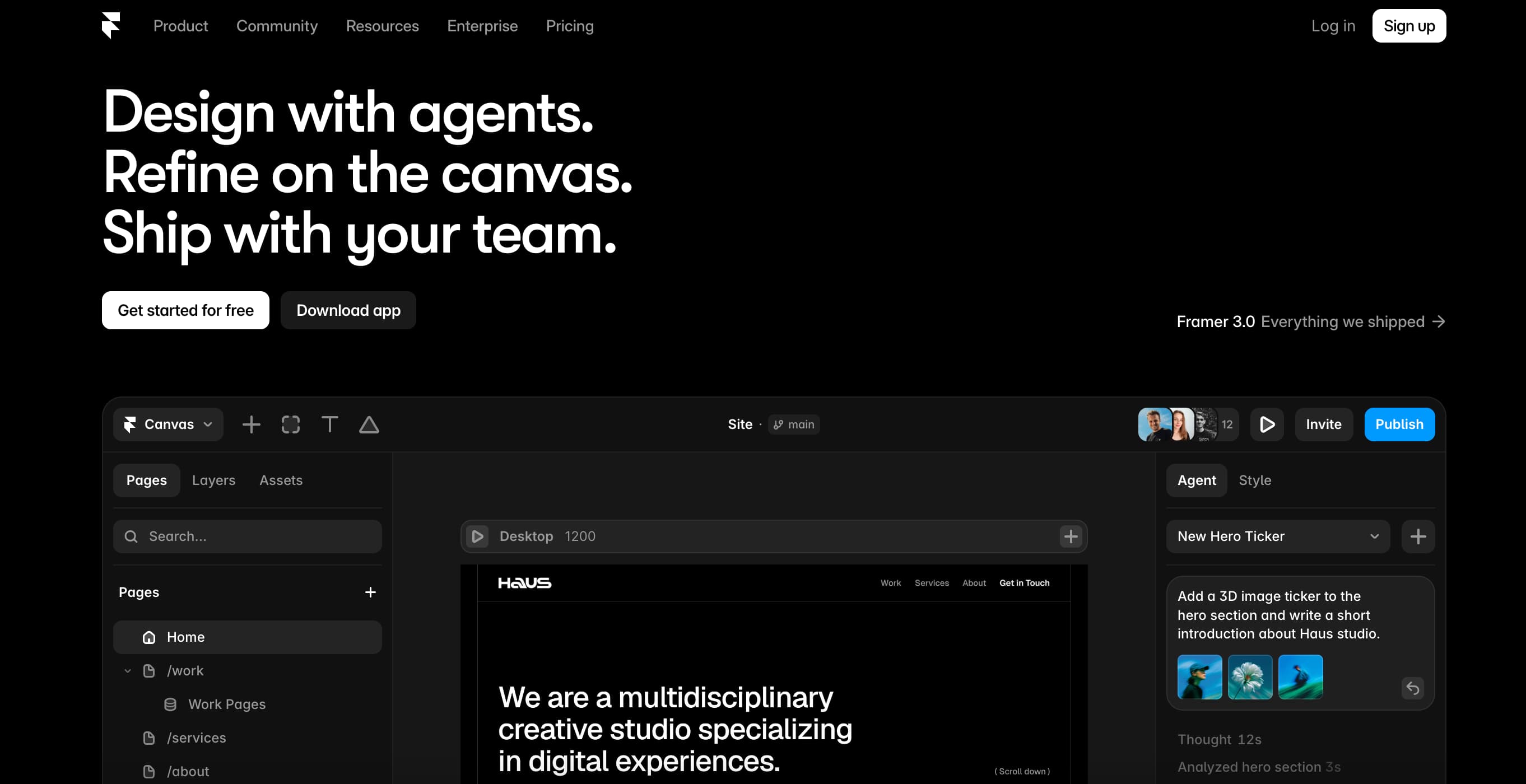
The understanding of who it was really for, and what job it was doing for them, got sharper over time. That sharpening is what positioning evolution looks like in practice. It is not a rebrand. It is the company getting more honest and more specific about what they have actually built and who it genuinely serves best.
Positioning Is Not a One-Time Decision
One last thing worth saying clearly: positioning is not something you nail at launch and move on from. As your product grows, as you discover which customers truly love it and which ones are just okay with it, as new competitors enter the market, the positioning needs to evolve. And every time it does, the messaging needs to catch up.
The companies that consistently feel fresh and relevant in their marketing are the ones that treat positioning as an ongoing practice. The ones that feel stale are usually the ones whose website still reflects where the company was two years ago, even though the product, the customers, and the market have all moved on.
How to Start Fixing Your Positioning
Most teams overthink this. You do not need a six-week workshop or a strategy consultant. You need honest answers to a small set of questions, written down, shared with the team, and used as the foundation for every piece of marketing you produce.
Start here:
- Who is this product genuinely best for? Not everyone who could use it. The person who gets the most value from it.
- What problem does it solve for that person specifically?
- What would they do if this product did not exist? That is your real competition.
- What do you do better than that alternative for this specific customer?
- Why does that matter to them?
Once you have clear answers to those five questions, write a one-paragraph positioning statement. Share it with the team. Use it as the brief for every homepage rewrite, ad campaign, and sales script you produce from that point forward.
Self-Diagnosis: Is This a Positioning Problem or a Messaging Problem?
Go through this list honestly. If you tick three or more, positioning is likely the root cause.
Is a Positioning Problem Holding Your Messaging Back?
If you read this and recognised your own company somewhere in it, that recognition is worth paying attention to. A homepage that does not convert, ads that do not land, and a sales pitch that feels inconsistent across the team are almost always symptoms of positioning that was never made explicit enough to build reliable messaging from.
That is the work we do at Minute Creative. We help B2B SaaS founders get clear on who they are for, what makes them genuinely different, and how to translate that into messaging that makes the right buyer feel like the product was built for them. If that sounds like something worth exploring, we are here to help you figure out where to start.